Research Peptides Explained: What to Know in 2026
What research peptides are, how they differ from pharmaceuticals, where they are sold and what research-use-only means. Updated for 2026 regulatory status.
Research peptides are synthetic amino acid chains sold for laboratory investigation. They are not drugs. They are not supplements. They occupy a gray area that confuses buyers, frustrates regulators and enriches vendors who know how to navigate the language carefully. We have spent months reviewing the regulatory filings, vendor product pages and published literature to explain what research peptides actually are, how they differ from pharmaceuticals and what the rules look like in 2026.
What a Research Peptide Actually Is
Synthetic Amino Acid Chains for Laboratory Use
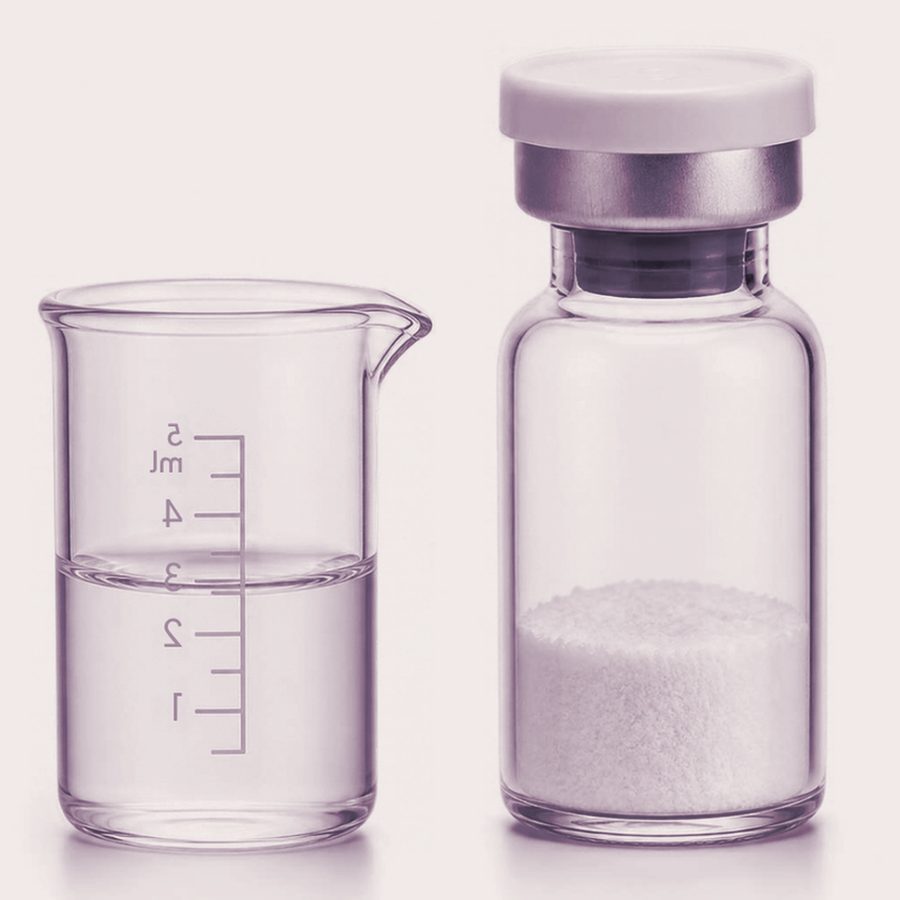
A peptide is a short chain of amino acids linked by peptide bonds. Proteins are long chains. The dividing line is conventionally drawn around 50 amino acids: below that, it is a peptide; above, a protein. Research peptides are manufactured by solid-phase peptide synthesis (SPPS), a chemical process that builds the chain one amino acid at a time on a resin support. The product is purified by HPLC, freeze-dried into a powder and sold in glass vials. BPC-157 has 15 amino acids. TB-500 is a 43-amino-acid fragment of thymosin beta-4. GHK-Cu is a tripeptide (3 amino acids) complexed with a copper ion.
The "research" label means the vendor is selling the compound for laboratory investigation, not for human consumption. This label is legally significant because it places the product outside the regulatory framework that governs drugs, biologics and dietary supplements. It also means the vendor has no obligation to prove the product is safe or effective for any purpose.
How They Differ from Pharmaceutical Peptides
Pharmaceutical peptides are peptide-based drugs that have completed clinical trials, received regulatory approval and are prescribed by physicians. Insulin is a peptide. Semaglutide (Ozempic) is a peptide. These went through years of Phase I, II and III trials, demonstrated safety and efficacy in thousands of patients and received manufacturing oversight from the FDA or equivalent agencies. Research peptides have done none of that. The manufacturing standards, purity requirements and quality assurance protocols are entirely different. When someone asks if BPC-157 is "like" semaglutide because both are peptides, the answer is no. The chemistry is related. Everything else is different.
- Definition
- Synthetic amino acid chains sold for laboratory use
- Legal classification (US)
- Not a drug, not a supplement, not a controlled substance (most)
- Manufacturing method
- Solid-phase peptide synthesis (SPPS)
- Shipping form
- Lyophilized powder in sealed vials
- Typical label language
- "For research use only. Not for human consumption."
- Regulatory oversight
- Minimal; FDA enforces only if health claims are made
Common Research Peptides and Their Study Areas
The table below lists the most widely sold research peptides with their basic specifications and the primary research areas covered in published studies. Study counts are approximate, based on PubMed searches as of October 2026.
| Peptide | Amino Acids | Molecular Weight | Primary Research Area | Approx. Study Count | Human Clinical Data |
|---|---|---|---|---|---|
| BPC-157 | 15 | 1,419 Da | GI protection, tendon repair, wound healing | 544 preclinical | 1 pilot study |
| TB-500 (TB4 fragment) | 43 | 4,921 Da | Wound healing, cardiac repair | 30-50 | Limited (topical corneal) |
| GHK-Cu | 3 + Cu | 403 Da | Collagen synthesis, wound healing, dermatology | 40-60 | Yes (topical skin studies) |
| KPV | 3 | 357 Da | Anti-inflammatory (colitis models) | 10-15 | None |
| MOTS-c | 16 | 2,174 Da | Metabolism, insulin sensitivity | 15-20 | None |
| Epithalon | 4 | 390 Da | Telomerase activation (aging models) | 10-15 | Very limited |
BPC-157 and Tissue Repair Research
BPC-157 dominates the research peptide market by volume of published data. A 2025 systematic review cataloged 544 preclinical studies covering gastrointestinal, musculoskeletal, neurological and cardiovascular models (PMID 42198317). The tendon healing data (PMID 30915550) is among the most cited. Nearly all of this work comes from animal models, primarily rats. We cover the full picture on our BPC-157 therapy page.
TB-500 and Wound Healing Data
TB-500 draws from published research on its parent protein, thymosin beta-4. A 2012 review compiled the wound healing evidence across dermal, cardiac and ocular models (PMID 23084823). The commercial product is a synthetic fragment, not the full protein used in most studies. Whether the fragment produces identical effects is an assumption, not a demonstrated fact. For a comparison of both peptides, see our BPC-157 + TB-500 stack page.
GHK-Cu in Dermatology
GHK-Cu stands apart because it has published human data. A collagen study (PMID 26236730) and a wound healing study (PMID 18644225) both tested GHK-Cu on human skin. The topical results showed increased collagen and improved wound contraction. Topical products from Neurogan ($20.00), Scantifix ($49.00) and DoctorDerm ($74.50) are based on this route. This makes GHK-Cu the only research peptide in common circulation with a clinical evidence base for its most popular use case.
MOTS-c and Metabolic Models
MOTS-c is a mitochondrial-derived peptide studied in mouse models of obesity and insulin resistance. The data is early-stage, with published studies showing improved glucose metabolism in mice given intraperitoneal injections. No human metabolic trials have been published. Peptide God sells MOTS-C at $49.95 per vial. Real Peptides offers a 10mg vial at $43.20 with a published COA.
How Research Peptides Are Made and Sold
Solid-Phase Peptide Synthesis
SPPS is the standard manufacturing method. Amino acids are attached one at a time to a solid resin bead, with each coupling step followed by deprotection and washing. After the full sequence is assembled, the peptide is cleaved from the resin and purified using preparative HPLC. The final product is lyophilized (freeze-dried) into a white or off-white powder and sealed in a glass vial under inert gas. This process can achieve purities above 98% in competent laboratories. It can also produce contaminated product if the reagents are impure, the equipment is poorly maintained or the purification is cut short to save costs.
Quality Control and COA Documentation
A certificate of analysis (COA) is the document that tells you what is in the vial. It should include HPLC purity data (a chromatogram showing the main peak and any impurity peaks), mass spectrometry identity confirmation and, for injectable-grade products, endotoxin testing results. Real Peptides publishes lot-specific COAs with HPLC verification for their BPC-157 10mg product at $43.20 per vial. Peptide God does not display COAs on their product pages, though their BPC-157 sells for $34.95 per vial. We assess every vendor in our peptide brands comparison.
The Research-Use-Only Label
This label is a legal shield. It allows vendors to sell compounds without making health claims, which would trigger FDA enforcement as unapproved drugs. The label does not mean the product is exclusively purchased by laboratory scientists. Most buyers are individuals. The label means the vendor assumes no liability for how the product is used. It is a legal distinction, not a practical one, and both the FDA and vendors know this.
Regulatory Status in 2026
FDA Compounding Rules and the 503A List
Under Sections 503A and 503B of the Federal Food, Drug, and Cosmetic Act, compounding pharmacies can prepare customized drug products from approved bulk substances. In 2024, the FDA moved BPC-157 to Category 2, meaning it could no longer be used as a compounding ingredient due to insufficient safety and characterization data. This did not affect research chemical vendors because they do not operate under compounding regulations. The distinction trips up a lot of people. Compounding was restricted. Research-use sales were not.
The PCAC Advisory Vote
In 2026, the Pharmacy Compounding Advisory Committee held votes on several peptides including BPC-157 and KPV. The committee's role is advisory. Their recommendations inform FDA policy but are not binding. The vote addressed whether these substances should remain excluded from compounding or be reconsidered. We detailed the vote outcomes and their practical implications on our BPC-157 therapy page.
DEA and State-Level Considerations
As of October 2026, no research peptide discussed on this site is classified as a controlled substance by the DEA. State laws vary. Some states have introduced bills to regulate peptide sales more tightly, particularly after the FDA's compounding restrictions drew attention to the market. Checking your state's current regulations before purchasing is advisable. The legal status can change quickly, and what was unrestricted six months ago may not be today.
- 2018 BPC-157 review published, compiling 100+ preclinical studies (PMID 29998800)
- 2020 FDA warning letter to Tailor Made Compounding for BPC-157 drug claims
- 2022 WADA prohibits BPC-157 under S0 category for competitive athletes
- 2023 FDA warning letter to Warrior Labz for peptide marketing violations
- 2024 FDA places BPC-157 on Category 2 compounding exclusion list
- 2025 Systematic review catalogs 544 preclinical BPC-157 studies (PMID 42198317)
- 2026 PCAC advisory vote on peptide compounding; FDA warning letter to Gram Peptides
How to Evaluate a Research Peptide Vendor
COA Transparency
Does the vendor publish lot-specific COAs on the product page? Not a generic COA for the compound, but data tied to the actual batch you are purchasing. This is the single most important criterion. A vendor who refuses to show you third-party analytical data for the specific lot is asking you to trust them without evidence. We note this distinction in every vendor review on this site.
Third-Party Testing and HPLC Data
The COA should come from an independent laboratory, not the vendor's in-house quality team. Third-party testing reduces conflict of interest. The HPLC chromatogram should show a single dominant peak at the correct retention time, with impurity peaks below the stated purity threshold. Mass spec data should confirm the molecular weight matches the target peptide. If you cannot read a chromatogram, the purity percentage alone is useful: 98% or above is standard for research-grade peptides.
Pricing and Shipping Practices
Price per milligram is the comparison metric. A $34.95 vial of unknown milligram content is impossible to compare directly with a $43.20 vial that specifies 10mg. We calculate price per milligram for every product where the amount is disclosed. Shipping practices also matter: peptides should be shipped with cold packs in warm climates and delivered within a few days. Prolonged transit at elevated temperatures can degrade the product before you open it.
| Criterion | What to Look For | Peptide God | Real Peptides |
|---|---|---|---|
| Lot-specific COA | Published on product page with HPLC data | Not displayed | Published per lot |
| Third-party testing | Independent lab name on COA | Not specified | Yes |
| Amount per vial | Milligrams stated on product page | Not listed | 10mg stated |
| BPC-157 price | Per-vial cost | $34.95 | $43.20 |
| Product range | Number of peptides available | 5+ (BPC-157, TB-500, MOTS-C, Epithalon, blends) | 3+ (BPC-157, MOTS-c, BAC water) |
| Shipping speed | Estimated delivery time | Standard | Within 24 hours from US stock |
FAQ - Research Peptides
Are research peptides legal to buy?
In most US jurisdictions, yes. Research peptides are sold as chemical compounds for laboratory investigation. They are not controlled substances and do not require a prescription to purchase. The legal restriction applies to vendors who make health claims, which triggers FDA enforcement as unapproved drug marketing. Three FDA warning letters to peptide vendors between 2020 and 2026 targeted marketing language, not the sale of the compound itself. State laws vary. Check local regulations before purchasing.
What does research-use-only mean?
It means the vendor is selling the product for laboratory investigation and does not endorse human use. The label has legal significance because it exempts the vendor from the regulatory requirements that apply to drugs and supplements. It does not mean the product is exclusively used in labs. It means the vendor's liability ends at the label. For safety considerations, see our peptide safety guide.
How are research peptides different from supplements?
Dietary supplements are regulated under DSHEA and must contain dietary ingredients recognized by the FDA. Peptides like BPC-157 and TB-500 are not recognized dietary ingredients and cannot legally be sold as supplements. Some vendors have tried, and the FDA has issued warning letters in response. The manufacturing, labeling and marketing rules differ entirely between the two categories. A research peptide sold in a vial with a "not for human consumption" label is a different product category from a supplement sold in a capsule with dosing instructions. For product options, visit our buying guide.
Do research peptides require a prescription?
No. Research peptides are sold directly to consumers without a prescription. However, GHK-Cu products like DoctorDerm's Copper Peptide Complex ($74.50) are sold through telehealth with a consultation, which functions similarly to a prescription pathway. This is the vendor's choice, not a legal requirement for the compound. The prescription model does add a layer of medical oversight that research-use-only products do not have. For a full vendor comparison, see our peptide brands page.
This content is for informational and educational purposes only. Research peptides are sold for laboratory use and are not approved for human therapeutic use by any regulatory agency. Consult a licensed healthcare provider before using any peptide product.
Compare the current picks
Prices, sizes and ratings side by side, updated when the merchant pages change.
Compare peptides