Peptide Stability: How Degradation Affects Research
How temperature, light and moisture degrade research peptides. Published stability data, storage guidelines and when to discard reconstituted product.
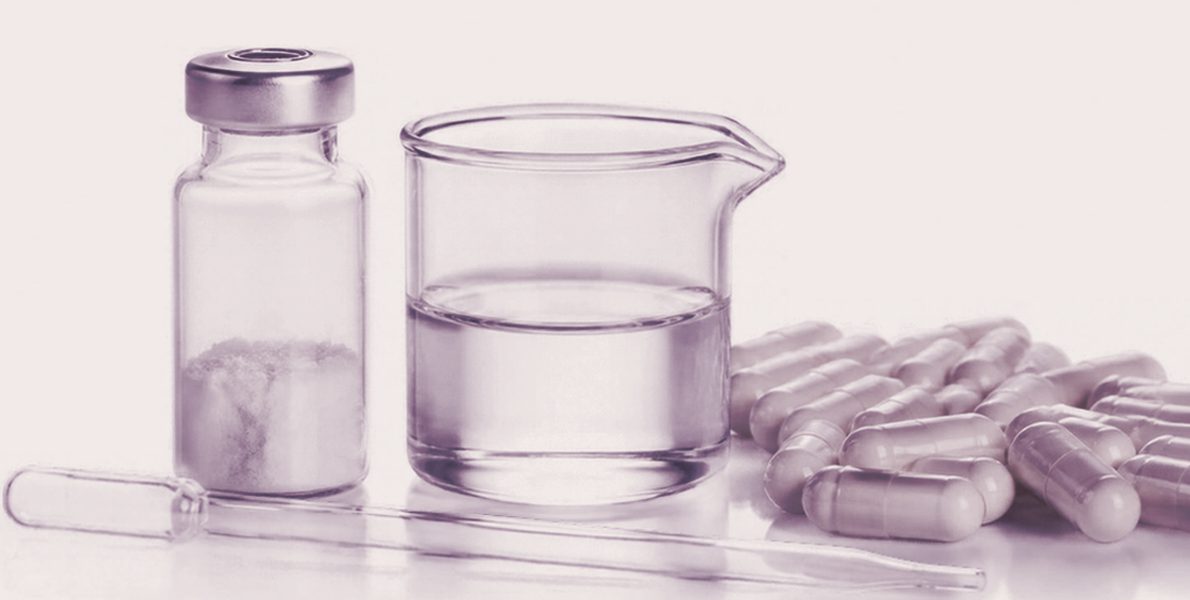
A degraded peptide is not the same compound as an intact one. When temperature, light or oxidation breaks peptide bonds or modifies amino acid side chains, the resulting fragments and oxidation products may have different biological activity, no activity at all or unexpected activity that was never tested in the original studies. This post covers the published chemistry of peptide degradation, what stability data exists for common research peptides and how storage conditions determine whether the compound in the vial matches what was characterized in the literature.
Why Peptide Stability Matters
Degradation Products in Research
Peptides degrade through several chemical pathways: hydrolysis (cleavage of peptide bonds by water), oxidation (modification of methionine, cysteine and tryptophan residues), deamidation (conversion of asparagine to aspartate or isoaspartate) and aggregation (non-covalent or covalent clustering of peptide chains). Each pathway produces different degradation products. A 10mg vial of BPC-157 that has been stored improperly may contain 7mg of intact peptide and 3mg of fragments, oxidized variants and aggregates. The HPLC purity on the original Certificate of Analysis no longer applies because the degradation occurred after manufacture.
How Instability Skews Results
If a researcher reconstitutes a peptide, stores it at room temperature for two weeks and then observes weaker activity than expected, the problem may not be biological. It may be chemical. The active compound may have partially degraded, reducing the effective dose below the threshold needed for the observed effect. Conversely, some degradation products could have their own biological activity, introducing confounding variables that were not part of the experimental design. Published BPC-157 studies rarely report the stability or purity of the peptide at the time of administration. A 2020 study (PMID 32329684) noted the importance of peptide characterization but found that many published protocols lack this information.
Factors That Degrade Peptides
Temperature
Temperature is the single largest factor in peptide degradation rate. The Arrhenius equation predicts that chemical reaction rates roughly double for every 10C increase in temperature. For a reconstituted peptide solution, this means degradation at 25C is approximately four to eight times faster than at 4C. Lyophilized (freeze-dried) peptides are substantially more stable because the absence of water inhibits hydrolysis, which is the primary degradation pathway. A lyophilized peptide stored at -20C can remain stable for years. The same peptide reconstituted in water at room temperature may degrade measurably within days.
Light Exposure
Ultraviolet light and even visible light at sufficient intensity can trigger photodegradation of peptides. Tryptophan residues absorb UV light at 280nm and undergo photo-oxidation. Tyrosine and phenylalanine are also photosensitive. BPC-157's sequence (GEPPPGKPADDAGLV) does not contain tryptophan, tyrosine or phenylalanine, which makes it less photosensitive than many peptides. However, other compounds commonly used in peptide research protocols, such as TB-500 and GHK-Cu, contain photosensitive residues. Storing all peptide vials in amber containers or wrapped in foil eliminates this variable regardless of the specific sequence.
Moisture and Oxidation
Lyophilized peptides absorb atmospheric moisture if the vial seal is compromised. Even microscopic amounts of water can initiate hydrolysis and deamidation in the solid state. Oxygen exposure promotes oxidation of susceptible amino acid residues. Methionine is the most oxidation-prone residue in peptide chemistry, converting to methionine sulfoxide upon exposure to reactive oxygen species. BPC-157 does not contain methionine, but its aspartate and glycine residues are susceptible to deamidation and racemization under certain conditions.
| Degradation Factor | Mechanism | Prevention | Reference |
|---|---|---|---|
| Temperature (elevated) | Accelerated hydrolysis, deamidation; rate doubles per 10C rise | Store lyophilized at -20C; reconstituted at 2-8C | General peptide chemistry; ICH Q1A guidelines |
| Light (UV/visible) | Photo-oxidation of Trp, Tyr, Phe residues | Amber vials or foil wrapping; avoid direct light | ICH Q1B photostability guidelines |
| Moisture | Hydrolysis of peptide bonds in solid state | Maintain vial seal integrity; use desiccant in storage | PMID 32329684 |
| Oxygen | Methionine sulfoxide formation; disulfide scrambling | Nitrogen headspace in vials; minimize air exposure | General pharmaceutical stability literature |
| pH extremes | Acid- or base-catalyzed hydrolysis and racemization | Reconstitute in neutral pH diluent (BAC water, pH ~5.5-7) | ICH Q1A; peptide formulation literature |
| Agitation | Surface denaturation at air-liquid interface | Swirl gently; never shake reconstituted peptide | Biologics handling guidelines |
Published Stability Data
Lyophilized Shelf Life
Lyophilized peptides stored at -20C in sealed, intact vials with nitrogen headspace typically maintain greater than 95% purity for 24 months or longer. This is a general figure drawn from pharmaceutical stability literature and ICH accelerated stability testing protocols. Specific stability data for research-grade BPC-157 is limited because most vendors do not publish long-term stability studies. The 2020 characterization study (PMID 32329684) emphasized that BPC-157 is unusually stable in acidic conditions (surviving pH 1-2 for over 24 hours), which is atypical for peptides. However, this acid stability does not automatically extend to long-term storage stability under all conditions.
Reconstituted Shelf Life
Reconstituted peptide solutions have substantially shorter shelf lives than lyophilized powder. The consensus from vendor guidelines and published protocols is 3 to 4 weeks at 2-8C when reconstituted in bacteriostatic water. The benzyl alcohol preservative prevents microbial growth but does not prevent chemical degradation. After 4 weeks, even properly stored reconstituted peptide may have undergone enough hydrolysis and deamidation to reduce purity below the threshold needed for reliable research results.
Freezing reconstituted peptide is not recommended. The freeze-thaw cycle can cause aggregation, particularly for peptides at concentrations above 1 mg/ml. If a vial will not be used within 4 weeks, it is better to reconstitute only the amount needed and keep the remainder as lyophilized powder. Our reconstitution calculator can help determine how much diluent to add for a given number of planned draws.
Storage Best Practices
- Lyophilized storage temperature
- -20C or colder (freezer)
- Reconstituted storage temperature
- 2-8C (refrigerator)
- Light protection
- Amber vials or foil wrapping
- Lyophilized shelf life
- 24+ months at -20C (sealed vial)
- Reconstituted shelf life
- 3-4 weeks at 2-8C in BAC water
- Diluent
- Bacteriostatic water for multi-dose use
- Freeze-thaw cycles
- Avoid for reconstituted solutions
- Desiccant
- Recommended for lyophilized storage containers
When to Discard
Visual Indicators
A properly reconstituted peptide solution should be clear, colorless and free of visible particles. Cloudiness indicates aggregation or precipitation. Visible particles suggest insoluble degradation products or microbial contamination. Color change (yellowing is the most common) indicates oxidation or advanced degradation. Any of these visual changes is grounds for discarding the vial. A clear solution does not guarantee intact peptide, but a cloudy or discolored solution reliably indicates a problem.
Time-Based Rules
Even if the solution appears visually normal, time-based discard rules provide an additional safety margin. Reconstituted peptide stored at 2-8C should be discarded after 28 days. Reconstituted peptide that has been at room temperature for more than 4 hours during a single session should not be returned to the refrigerator for long-term storage. Lyophilized peptide that has been stored above 4C for an extended period (weeks or months due to shipping delays or storage failures) should be treated as compromised. When in doubt, the cost of a new vial is less than the cost of unreliable data from a degraded compound.
For more on handling technique during reconstitution, see our post on five reconstitution mistakes that degrade peptides. Our peptide safety guide covers broader quality and contamination considerations.
This article addresses peptide chemistry and laboratory storage practices. It does not constitute medical advice. Research peptides are sold for laboratory use only and are not approved for human therapeutic applications. Consult a healthcare professional before making decisions about any peptide product.
Sources
- Sikiric P, et al. Brain-gut Axis and Pentadecapeptide BPC 157: Theoretical and Practical Implications. Curr Neuropharmacol. 2020. PMID 32329684
- ICH Q1A(R2) Stability Testing of New Drug Substances and Products. International Council for Harmonisation of Technical Requirements for Pharmaceuticals for Human Use.
- ICH Q1B Photostability Testing of New Drug Substances and Products.
Keep reading
PCAC 2026 Peptide Vote: What the FDA Panel Recommended
The FDA Pharmacy Compounding Advisory Committee voted on BPC-157, KPV and other peptides in July 2026. What the vote means and what happens next.

BPC-157 Drug Development: The Clinical Translation Gap
A 2025 systematic review found 544 preclinical BPC-157 studies and one qualifying clinical analysis. What stands between the peptide and pharmaceutical status.
Peptides in Aging Research: Key Findings from 2026
A 2026 narrative review examined peptides in gerontology including BPC-157, TB-500 and GHK-Cu. What the review covered and where gaps remain.
Compare the current picks
Prices, sizes and ratings side by side, updated when the merchant pages change.
Compare peptides