Are Peptides Safe? A Research-Based Assessment
What published research says about peptide safety. Preclinical toxicology, the 2025 human pilot, regulatory status and contamination risks explained.
Peptide safety is a question with an honest but uncomfortable answer: we do not have enough data to give a definitive one. The research peptides sold online have undergone extensive animal testing in some cases and almost none in others. BPC-157 has 544 preclinical studies and one published clinical analysis. TB-500 has a handful of controlled animal experiments. GHK-Cu has some actual human dermatology data. Beyond that, you are in territory where the published record thins out fast. We went through the safety literature for each compound and recorded what actually exists.
Why Peptide Safety Data Is Still Limited
The Preclinical-to-Clinical Gap
Preclinical means the compound was tested in animals or cell cultures. Clinical means it was tested in humans under controlled conditions. Most research peptides sit entirely in the preclinical column. This is not unusual for compounds in early development, but it is unusual for compounds that people are already buying from online vendors and using outside of clinical settings. The gap matters because animal models do not predict human side effects with certainty. Rats tolerate some drugs that harm humans and vice versa.
A 2025 systematic review searched for every published BPC-157 study that met inclusion criteria for biopharmaceutical evaluation. The authors found 544 preclinical studies and one qualifying clinical analysis (PMID 42198317). That ratio tells you where the evidence stands.
Regulatory Status of Research Peptides
Research peptides are not approved drugs. They are not dietary supplements. They are chemical compounds sold under a "research use only" label, which means the vendor makes no claims about human safety or efficacy. This label does not make them illegal to sell in most jurisdictions, but it does mean they have not passed the safety review process that prescription drugs undergo. The FDA has stated it "lacks sufficient information to know whether [BPC-157] would cause harm when administered to humans."
BPC-157 Safety Data From Published Studies
BPC-157 has the largest safety dataset among research peptides, which says more about the others than it does about BPC-157. The 2025 biopharmaceutical review summarized acute toxicity, repeated-dose and pharmacokinetic data. We pulled the safety-specific findings into the table below.
| Study Type | Species | Dose | Duration | Adverse Events Reported | Source |
|---|---|---|---|---|---|
| Acute toxicity (single dose) | Rat | 20 mg/kg IM | Single dose | No deaths, no abnormalities in body weight or behavior | PMID 42198317 |
| Acute toxicity (single dose) | Beagle dog | 10 mg/kg IM | Single dose | No deaths, no obvious abnormalities | PMID 42198317 |
| Repeated dose | Rat | Multiple dose levels | 28 days | No organ damage, no weight changes reported | PMID 42198317 |
| Repeated dose | Beagle dog | Multiple dose levels | 28 days | No significant adverse findings | PMID 42198317 |
| General efficacy studies | Rat, mouse | 10-50 mcg/kg IP | 7-14 days | No adverse events reported in over 100 studies | PMID 29998800 |
| Human pilot | Human | Not fully disclosed | Short-term | No serious adverse events in small participant group | Published 2025 |
Acute Toxicity Studies in Rodents
No lethal dose has been identified for BPC-157 in any published study. Single intramuscular doses of 20 mg/kg in rats and 10 mg/kg in dogs produced no deaths, no changes in body weight or food intake, and no abnormal behavior. For context, 20 mg/kg is roughly 2,000 times the standard study dose of 10 mcg/kg. This is a large safety margin in animal terms. But "no lethal dose found in rats" is not the same as "safe for humans." Plenty of compounds that are non-toxic in rodents cause problems in people. The value of this data is that it rules out overt acute toxicity in two species, which is a necessary but not sufficient condition for human safety.
The 2025 Human Pilot Study
One small human study was published in 2025. It focused on safety endpoints rather than efficacy. The participant group was small and the follow-up period was short. No serious adverse events were reported. This is encouraging but preliminary. A single pilot study does not establish a safety profile. Phase I trials for approved drugs typically enroll dozens of healthy volunteers and monitor them for weeks. This study fell short of that standard in scale and duration. We mention it because it is the only published human BPC-157 data that exists, and ignoring it would be as misleading as overstating it.
TB-500 Safety Profile in the Literature
TB-500 is a synthetic fragment of thymosin beta-4. The safety data comes primarily from studies on the parent protein. A 2012 review of thymosin beta-4 in wound healing (PMID 23084823) compiled findings across dermal, cardiac and corneal models.
| Species | Route | Dose | Duration | Safety Observations | Source |
|---|---|---|---|---|---|
| Mouse | Intraperitoneal | 150 mcg, every other day | 14 days | No reported adverse events in cardiac model | PMID 23084823 |
| Rat | IP / subcutaneous | 6 mg/kg daily | 7-14 days | No reported toxicity in wound models | PMID 23084823 |
| Human (case report) | Topical | Applied as eye drop | Variable | Well tolerated in corneal healing application | PMID 23084823 |
Thymosin Beta-4 and Tumor Concerns
Thymosin beta-4 is an actin-sequestering protein involved in cell migration and angiogenesis. These are normal physiological functions, but they also play roles in tumor development. Some researchers have flagged a theoretical concern: if TB4 promotes blood vessel formation and cell movement, could it accelerate cancer progression in someone with an existing tumor? No published study has demonstrated tumor promotion by thymosin beta-4 in any animal model. The concern remains theoretical. However, it has also not been specifically tested, which is a gap rather than an exoneration.
What the Animal Data Shows
In wound healing and cardiac repair models, TB4 administration did not produce any reported adverse events. The studies were short (7-14 days), used small sample sizes and did not include cancer-bearing animals. The absence of adverse events in these studies is consistent with a compound that is well tolerated at the tested doses for the tested durations. It does not tell us about long-term use or use in populations with comorbidities. Peptide God sells TB-500 at $35.00 per vial. Real Peptides sells BPC-157 at $43.20 for 10mg with a published lot COA. For a side-by-side comparison of these peptides and their study profiles, see our BPC-157 + TB-500 stack page.
GHK-Cu Safety for Topical Use
Dermatological Study Data
GHK-Cu is the most straightforward peptide in terms of safety data because it has published human clinical studies for topical application. A study on GHK-Cu and collagen (PMID 26236730) documented increased collagen production in human skin with no significant adverse effects. A separate wound healing study (PMID 18644225) found that GHK-Cu promoted wound contraction and collagen deposition. Topical products like Neurogan GHK-Cu cream at $20.00 and Scantifix GHK-Cu at $49.00 are based on this application route.
Systemic vs Topical Risk Profiles
The safety data for GHK-Cu applies specifically to topical use. Injecting GHK-Cu is a different matter entirely. Systemic exposure introduces variables not addressed by the dermatological studies: distribution to non-target organs, potential copper accumulation and interaction with copper-dependent enzymes. We have not found published safety data for systemic GHK-Cu administration in humans. The topical safety profile should not be extrapolated to other routes.
- Human clinical data
- Yes (topical only)
- Adverse events in topical studies
- None significant reported
- Route with safety data
- Topical cream or gel
- Systemic safety data
- Not available for humans
- Key PMIDs
- 26236730, 18644225
- Lowest topical product price
- $20.00 (Neurogan Health)
Contamination and Purity Risks
Why Unverified Peptides Carry Extra Risk
Even if a peptide is inherently non-toxic at study doses, a contaminated product can cause harm. Research peptides are manufactured by chemical synthesis, not biological fermentation. The synthesis process can leave behind residual solvents, truncated sequences, metal catalysts and bacterial endotoxins if the production environment is not properly controlled. A person injecting a peptide with 90% purity is also injecting 10% of something else, and that something else was never tested in any study.
What a COA Tests For
A certificate of analysis (COA) from a third-party laboratory documents what is actually in the vial. The core tests include HPLC (high-performance liquid chromatography) for purity, mass spectrometry for identity confirmation, and endotoxin testing for bacterial contamination. Real Peptides publishes lot-specific COAs with HPLC data for their BPC-157 10mg vial ($43.20). Peptide God does not display a COA on their BPC-157 product page ($34.95). This is a factual difference that affects how much trust you can place in the product's stated contents.
Heavy Metals, Endotoxins and Residual Solvents
Peptide synthesis involves chemicals that must be fully removed before the product is safe for research use. Heavy metals from coupling reagents, endotoxins from water systems, and residual solvents like DMF or TFA can persist in poorly manufactured batches. A proper COA reports levels for each of these categories. Not all vendors test for all categories. Some test purity by HPLC but skip endotoxin and heavy metal panels, which makes the COA incomplete.
- Identity (mass spec)25%
- Purity (HPLC)25%
- Endotoxin (LAL test)20%
- Residual solvents15%
- Heavy metals15%
Regulatory Warnings and Enforcement
FDA Category 2 List and the PCAC Vote
The FDA placed BPC-157 on its Category 2 list of bulk drug substances that present safety concerns for compounding use. This action restricted compounding pharmacies from making BPC-157 preparations for patients. The Pharmacy Compounding Advisory Committee (PCAC) voted on several peptides including BPC-157 and KPV in 2026. The vote was advisory, meaning the FDA was not bound by it but typically follows the committee's recommendations. For our analysis of that vote, see the BPC-157 therapy page.
WADA Prohibited Status
The World Anti-Doping Agency added BPC-157 to its prohibited list under category S0 (non-approved substances) effective January 2022. Any competitive athlete who tests positive for BPC-157 or its metabolites faces sanctions. This applies to all forms: injectable, oral and topical. WADA's inclusion does not mean BPC-157 is dangerous. It means the substance is not approved for human use and has performance-enhancement potential based on its mechanism of action.
- 2018 BPC-157 literature review published, 100+ animal studies compiled (PMID 29998800)
- 2020 FDA issues warning letter to Tailor Made Compounding for BPC-157 drug claims
- 2022 WADA adds BPC-157 to prohibited list under S0 category
- 2023 FDA issues warning letter to Warrior Labz for unapproved drug marketing
- 2024 FDA moves BPC-157 to Category 2 for compounding exclusion
- 2025 Systematic review finds 544 preclinical studies, 1 clinical analysis (PMID 42198317)
- 2025 First human pilot study published, no serious adverse events in small group
- 2026 FDA issues warning letter to Gram Peptides; PCAC votes on peptide compounding
Risk Reduction If You Are Researching Peptides
Choosing Vendors with Published COAs
The single most actionable step is buying from vendors that publish lot-specific COAs with third-party HPLC and mass spec data. This does not eliminate risk, but it reduces the contamination variable. We reviewed every peptide brand in our catalog on COA transparency, and the differences are wide. Some vendors provide full analytical data for every batch. Others provide nothing. If a vendor will not show you what is in the vial, that should factor into your decision.
Storage and Handling to Prevent Degradation
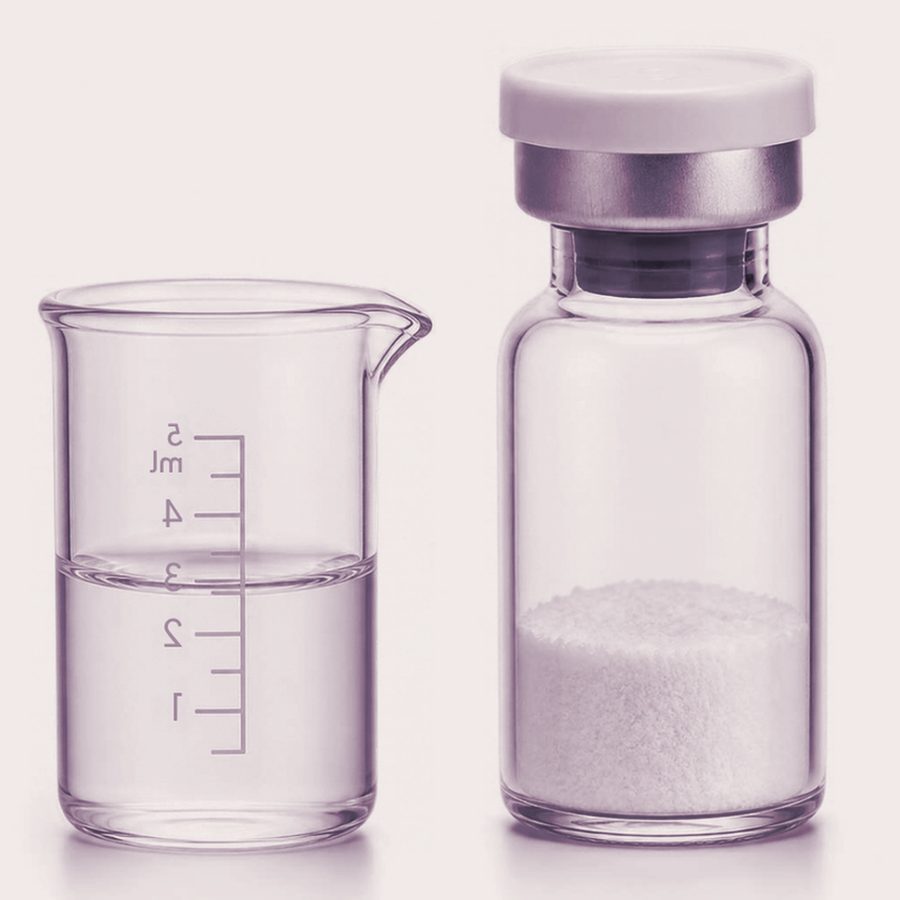
Lyophilized peptides degrade with heat, light and moisture exposure. Store unreconstituted vials at -20C or colder. After reconstitution with bacteriostatic water, store at 2-8C (standard refrigerator) and use within 28 days. Do not freeze reconstituted solution. Swirl gently to dissolve; shaking can denature the peptide chain. These are standard peptide handling practices that apply regardless of which compound or vendor is involved. For dosage-specific study data, see our peptide dosage reference.
FAQ - Peptide Safety
Are research peptides safe for humans?
There is not enough data to answer definitively. Most research peptides have only been tested in animal models. The absence of adverse events in rats does not guarantee the absence of adverse events in humans. GHK-Cu has the best human safety data, but only for topical application. BPC-157 has one small pilot study with no serious adverse events reported, but the sample size was too small to draw broad conclusions. For a deeper look at the evidence gaps, see our research peptides guide.
Has BPC-157 been tested in humans?
One human pilot study was published in 2025. It focused on safety rather than efficacy and found no serious adverse events in a small participant group. A Phase II trial for inflammatory bowel disease was registered on ClinicalTrials.gov but results were never published. A 2025 systematic review identified 544 preclinical studies and one clinical analysis across all of BPC-157 research. The human evidence base remains extremely thin.
What are the main risks of using unverified peptides?
Contamination is the biggest practical risk. A peptide with 90% HPLC purity contains 10% of uncharacterized material. Endotoxins, residual solvents and heavy metals from the synthesis process can cause immune reactions, injection site infections or systemic toxicity. Buying from a vendor without a published COA means accepting this risk blindly. Even with a COA, the risk is reduced but not eliminated because COA accuracy depends on the testing lab's standards.
Are peptides banned by WADA?
BPC-157 was added to the WADA prohibited list under category S0 in January 2022. TB-500 (thymosin beta-4) is also prohibited as a growth factor. GHK-Cu is not currently on the WADA list for topical use. Any competitive athlete should verify the current status of any peptide with their sport's anti-doping authority before purchase. See our peptide FAQ for more regulatory questions.
This content is for informational purposes only and does not constitute medical advice. Research peptides are sold for laboratory use and are not approved for human therapeutic use. Consult a licensed healthcare provider before using any peptide product.
Compare the current picks
Prices, sizes and ratings side by side, updated when the merchant pages change.
Compare peptides